

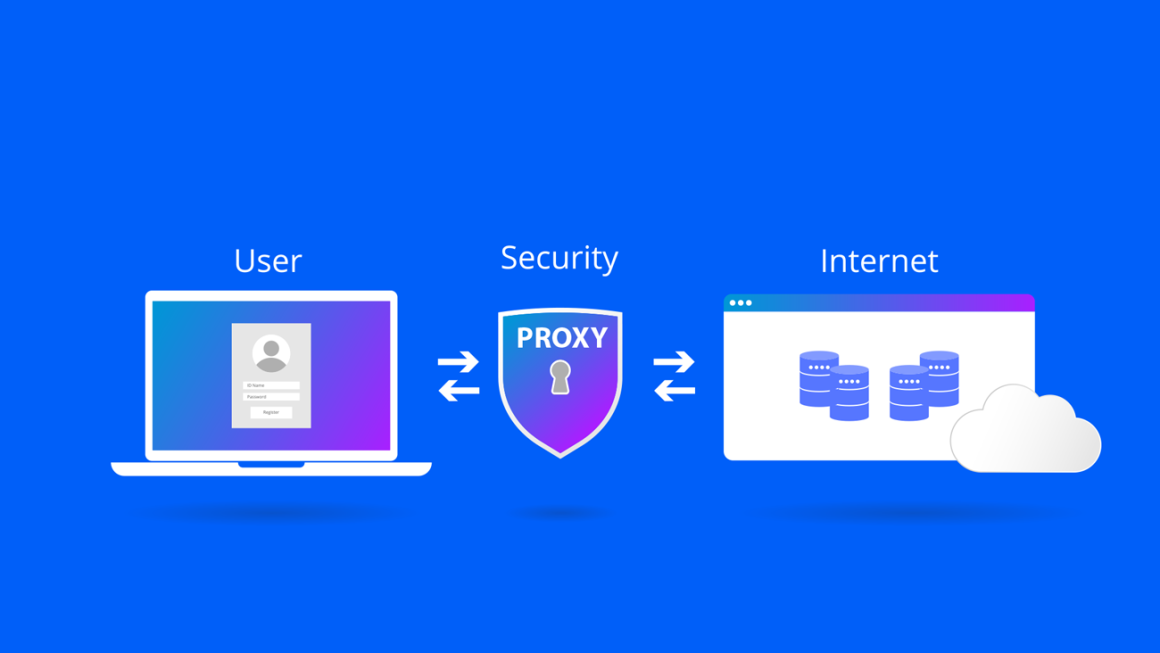
In today’s digital landscape, the use of proxies has become increasingly prevalent, enabling users to mask their identities and navigate the web with enhanced anonymity. While this offers several advantages for privacy and security, it also presents significant challenges for businesses and organizations that require accurate data collection and user verification. Extensive proxy detection has emerged as a critical solution for filtering out misleading traffic and ensuring that online interactions remain legitimate, ultimately preserving the integrity of data and operations in a variety of online environments.
This article delves into the mechanisms of extensive proxy detection, exploring its methodologies and applications across different sectors. By examining the latest advancements in technology and the importance of accurate filtering, we will highlight how businesses can leverage these tools to mitigate risks, enhance user experience, and uphold the authenticity of their digital interactions. As the online landscape continues to evolve, understanding effective proxy detection strategies becomes essential for maintaining trust and security in an increasingly complex web environment.
Understanding Proxy Detection Mechanisms
Extensive proxy detection employs a variety of techniques to identify and differentiate between legitimate users and those employing proxy services to obfuscate their identity. These methodologies often include analyzing IP address characteristics, evaluating traffic patterns, and employing behavioral analytics to track user interactions. By leveraging advanced algorithms, businesses can effectively sift through large volumes of data to pinpoint suspicious activities that may signify fraudulent intent or tampered data. This proactive approach not only prevents potential security breaches but also enhances the overall user experience by ensuring that legitimate user interactions are processed without interruption. To further strengthen data integrity, organizations can integrate solutions like Extensive proxy detection for accurate filtering into their systems.
Applications Across Various Sectors
The utility of extensive proxy detection is far-reaching and relevant across multiple industries including e-commerce, finance, and digital marketing. In e-commerce, where accurate consumer behavior tracking is essential for sales optimization, proxy detection helps retailers understand genuine customer interactions and safeguard against fraudulent activities such as credit card fraud or bot attacks. Similarly, in the finance sector, institutions utilize proxy detection to adhere to regulatory standards by ensuring that they are verifying the identities of their clients accurately. By employing cutting-edge proxy detection methods, businesses across these sectors can strengthen their defenses and maintain the authenticity of their operations in a rapidly evolving digital landscape.
In conclusion, the implementation of extensive proxy detection tactics is indispensable for any organization striving to maintain operational integrity and safeguard its digital assets. As cyber threats become more sophisticated, relying solely on traditional security measures is no longer sufficient. By adopting advanced proxy detection technologies, businesses can effectively discern between legitimate and illegitimate traffic, thus mitigating risks associated with fraud and data manipulation. This not only bolsters security protocols but also enhances customer trust and satisfaction by fostering a more transparent online environment. As we move forward, integrating such robust detection mechanisms will be vital for organizations looking to navigate the complexities of the digital landscape confidently, ensuring that they can deliver reliable services while upholding stringent standards of security and authenticity.